
Living in Tulum
Tulum has two faces: the town along the highway, where residents shop, eat and live, and the beach road — the hotel zone — lined with boutique hotels and restaurants. The ruins stand on the cliffs at the north end of the beach, and the area is known for its cenotes, such as Gran Cenote and Dos Ojos. Life is slower and more outdoors than in Playa del Carmen, and bikes are a normal way to get around.
Who buys here — and why
Tulum draws buyers who want design, nature and vacation-rental income — investors from the US, Canada, Europe and Mexico City, and a growing number of remote workers who live here. It is a market that rewards homework: there is plenty of new supply, so the exact location, the developer and each building’s rental rules make the difference.
What you can buy
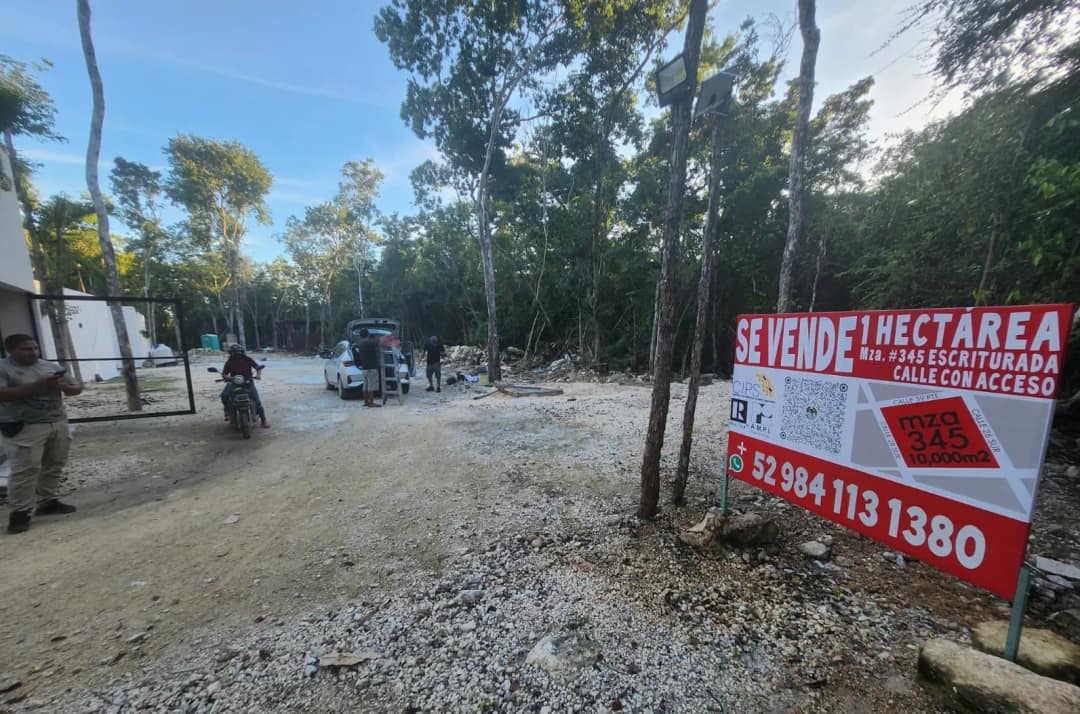
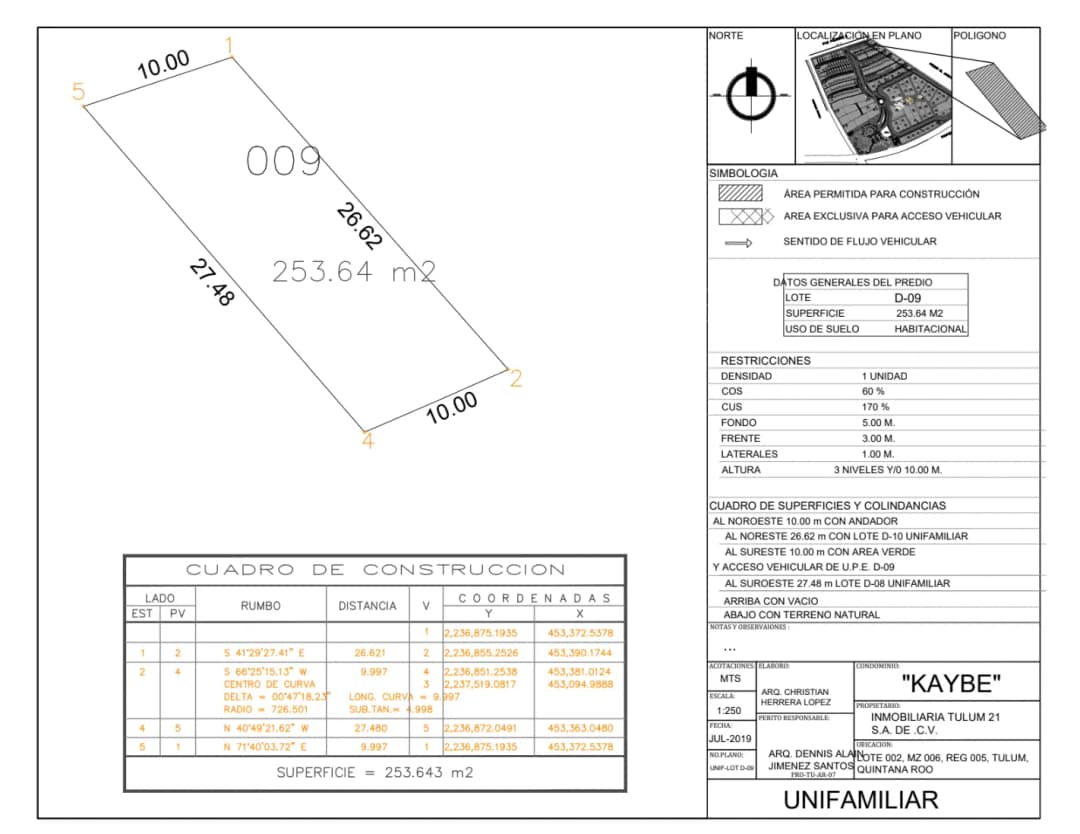
Condos, lofts and townhouses in new developments make up most of the market, many sold before or during construction (preventa) with payments tied to progress. Villas with private pools, and lots — from a single house lot to a hectare for a boutique hotel — complete the picture.
Neighborhoods and communities
Tulum Centro
The town itself, along the highway: shops, restaurants, the bus station and the most local, year-round feel.
Aldea Zama
A residential district between the town and the beach, with condos and townhouses — an easy bike ride to both.
La Veleta
Close to the center, with independent cafés and restaurants, newer condo buildings and jungle lots.
Región 15
A largely jungle area beside La Veleta where much of the newest building — homes, condos and boutique hotels — is going up.
Getting here
Tulum International Airport (TQO), opened in December 2023, is about 30–40 minutes from town and has direct flights from cities in the US and Canada. Cancún International (CUN) is roughly 120 km north — an hour and a half to two hours by car on Highway 307 — and Playa del Carmen is about an hour away. The Tren Maya has stations in town and at the airport.
Buying in Tulum: practical notes
Do the homework twice. With land, confirm the lot is titled private property: ejido (communal) land that has not been converted to full private ownership cannot be sold to a foreign buyer. With pre-construction, look at the developer’s finished projects, the permits and the delivery date, and tie payments to progress. As everywhere on this coast, foreigners buy through a fideicomiso, and our buying guide walks through each step.
Guide updated